

What simply occurred? Fanatic-class discrete graphics playing cards sometimes dominate conversations about excessive efficiency, however built-in GPUs aren’t far behind in terms of overclocking data for clock frequency. The newest world file holder just lately defined how he managed voltage and temperature ranges to push an Intel iGPU previous the 4GHz mark for the very first time.
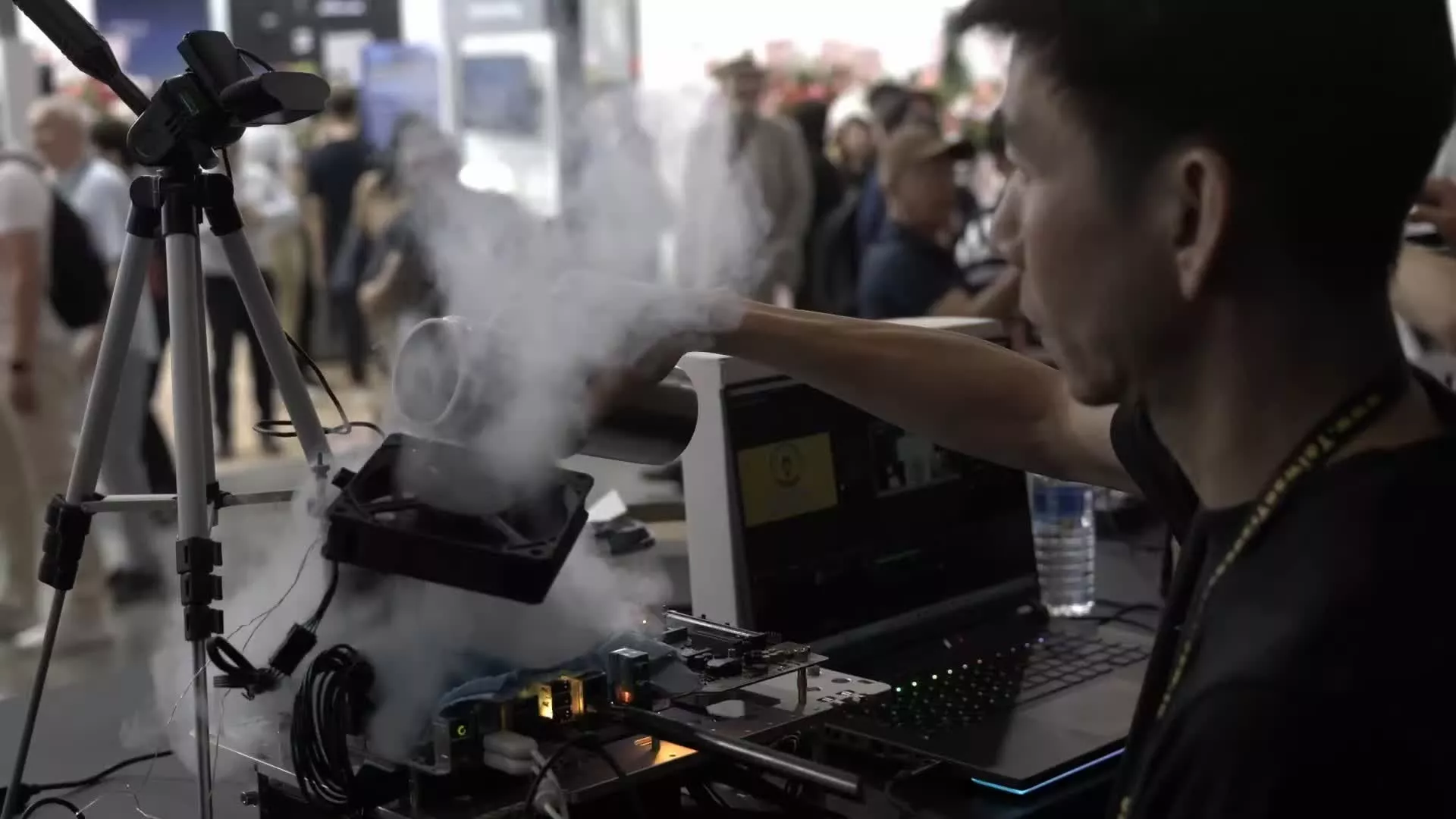
Overclocker Pieter Massman just lately detailed how he set a brand new graphics clock frequency world file at Computex 2025. Whereas most up-to-date file holders have used Nvidia’s flagship RTX 4090, Massman surpassed them utilizing the built-in GPU from an Intel Core Extremely 9 285K.
With assist from Asus overclocker Peter “Shamino” Tan, Massman pushed the Arrow Lake processor’s Xe2-LPG 64EU iGPU to 4.25GHz – greater than double its inventory increase clock. The group achieved the feat twice, validating the leads to CPU-Z throughout a livestream within the early days of this 12 months’s Computex occasion in Taiwan.
In response to Massman’s weblog, Skatter Bencher, the achievement marks a brand new world file for each built-in GPU clock frequency and GPU clock frequency total.
For the reason that RTX 4090 launched in 2022, frequency data have steadily climbed from round 3.3GHz to 4.02GHz in 2023. Massman had beforehand set the iGPU file at 3.9GHz throughout an Arrow Lake launch occasion late final 12 months – utilizing the identical chip he would later overclock at Computex.
The overclock concerned setting the GT ratio to multiply the default reference clock by an element of 85, the very best out there setting. Initially, Massman equipped 1.3V to the built-in GPU by way of a VccGT voltage rail devoted to the CPU’s graphics tile cores, however this solely reached 3.1GHz.
Pushing additional required a fragile steadiness of overvolting and liquid nitrogen cooling, finally attaining 4.25GHz with 1.7V and a temperature of -170°C.
Nonetheless, measuring the iGPU’s efficiency at these settings overwhelmed a number of widespread benchmarking instruments. Furmark crashed after reaching 2,800 factors in 1080p, 3DMark Pace Method halted round 650 marks, and GPUPI 1B solely ran for about 17.9 seconds. To stabilize the system, the group overclocked the graphics die-to-die interface and elevated the reference clock.
Whereas discrete and total GPU clock frequency data have steadily risen because the early 2000s, progress with iGPUs solely resumed just lately.
After breaking the 2GHz barrier in 2011, built-in GPU overclocking plateaued for almost a decade earlier than surpassing 3GHz in 2023. Whether or not graphics overclocking will stagnate as CPU frequency positive aspects have since 2010 stays to be seen.

